
Career Advancement Paths
Building a career in penetration testing requires strategic planning, continuous skill development, and hands-on experience in cybersecurity. Penetrat
Career Advancement Paths

Building a career in penetration testing requires strategic planning, continuous skill development, and hands-on experience in cybersecurity.
Penetration testers, also known as ethical hackers, help organizations identify and fix security vulnerabilities before malicious actors can exploit them.
This guide outlines proven career paths, certifications, and skills needed to advance from entry-level positions to senior penetration testing roles.
Entry-Level Positions
- Junior Penetration Tester
- Security Analyst
- Network Administrator
- IT Support Specialist
Essential Technical Skills
- Programming Languages: Python, Bash, PowerShell
- Operating Systems: Linux, Windows, macOS
- Networking: TCP/IP, protocols, infrastructure
- Security Tools: Metasploit, Burp Suite, Nmap
Professional Certifications
Certification
Level
Focus Area
CompTIA Security+
Entry
Security Fundamentals
CEH (Certified Ethical Hacker)
Intermediate
Ethical Hacking
OSCP (Offensive Security Certified Professional)
Advanced
Penetration Testing
GPEN (GIAC Penetration Tester)
Advanced
Professional Pen Testing
Career Progression Path
- Junior Penetration Tester (1-3 years)
- Penetration Tester (3-5 years)
- Senior Penetration Tester (5-8 years)
- Lead Penetration Tester (8+ years)
- Security Consultant/Director (10+ years)
Specialization Options
- Web Application Testing
- Mobile Application Security
- Network Infrastructure Testing
- IoT Security Testing
- Cloud Security Assessment
Professional Development Resources
- Hack The Box – Practice penetration testing skills
- VulnHub – Download vulnerable machines
- Offensive Security – Training and certifications
- SANS Institute – Advanced security courses
Building Your Portfolio
- Document your findings from practice labs
- Contribute to open-source security tools
- Participate in bug bounty programs
- Create security-focused blog posts
- Share knowledge on platforms like GitHub
Industry Networking
- Join OWASP local chapters
- Attend security conferences (DEF CON, Black Hat)
- Participate in CTF competitions
- Connect with professionals on LinkedIn
Next Steps for Growth
Focus on gaining practical experience through labs, CTFs, and bug bounty programs while building your certification portfolio.
Network with experienced professionals through conferences and local security meetups.
Consider specializing in high-demand areas like cloud security or mobile application testing to increase your market value.
Salary Expectations
- Junior Level: $60,000 – $85,000
- Mid-Level: $85,000 – $120,000
- Senior Level: $120,000 – $160,000
- Lead/Director: $160,000+
Work Environment
- Consulting firms
- In-house security teams
- Government agencies
- Financial institutions
- Healthcare organizations
Common Work Activities
- Conducting security assessments
- Writing detailed reports
- Client presentations
- Tool development
- Team collaboration
Industry Trends and Future Outlook
- Increased demand for cloud security expertise
- Focus on AI/ML security testing
- Remote work opportunities
- Emphasis on automation skills
- Growing regulatory compliance requirements
Launching Your Career Success
The path to becoming a successful penetration tester requires dedication, continuous learning, and practical experience. Start with fundamentals, build a strong technical foundation, and progressively advance through certifications and specialized skills.
Focus on developing both technical expertise and soft skills like communication and report writing. Stay current with evolving threats and technologies through continuous education and community involvement.
Remember that real-world experience, combined with professional certifications and a strong network, creates the most valuable penetration testing professionals in today’s cybersecurity landscape.
FAQs
- What are the typical entry-level positions in penetration testing?
Junior penetration tester, security analyst, or IT security consultant are common entry points, often requiring basic certifications like CompTIA Security+ or CEH. - Which certifications are most valuable for career advancement in penetration testing?
OSCP (Offensive Security Certified Professional), CISSP, GPEN (GIAC Penetration Tester), and CREST certifications are highly valued for career progression. - How many years of experience are typically required to become a senior penetration tester?
Most organizations require 5-7 years of hands-on penetration testing experience for senior positions, along with advanced certifications and specialized expertise. - What specialized roles can experienced penetration testers transition into?
Red team leader, security architect, information security manager, security consultant, or chief information security officer (CISO) are common advancement paths. - What technical skills are essential for advancing in penetration testing?
Advanced knowledge of programming languages (Python, Ruby), network protocols, operating systems, web applications, and current exploitation techniques is crucial. - How important is continuous learning in penetration testing career advancement?
Critical – the field requires constant updating of skills due to evolving threats, new technologies, and security techniques. Regular training and certification updates are essential. - What salary range can experienced penetration testers expect?
Senior penetration testers typically earn between $100,000 to $160,000 annually, with lead positions and consulting roles potentially earning over $200,000. - What industries offer the best career advancement opportunities for penetration testers?
Financial services, healthcare, government contractors, and technology companies typically offer the most advancement opportunities and competitive compensation. - How does specialization affect career advancement in penetration testing?
Specializing in areas like IoT security, cloud security, or mobile application testing can lead to higher-paying positions and faster career advancement. - What soft skills are important for advancing to leadership positions in penetration testing?
Communication skills, project management, report writing, client relationship management, and team leadership abilities are crucial for senior roles.

Author: Editor

March 1, 2025
Related Posts
Tool Documentation Standards
documentation standards
Documentation standards ensure consistency, clarity, and effectiveness when recording findings during penetration testing engagements. Proper documentation helps security teams track vulnerabilities, communicate issues to stakeholders, and maintain an audit trail ... Read more
Testing Tool Integration
tool integration
Testing tool integration is a critical aspect of cybersecurity assessment that combines various security testing tools to create a more robust and comprehensive penetration testing workflow. Security professionals need efficient ... Read more
Automation Framework Design

automation framework
An automation framework streamlines and standardizes penetration testing processes, making security assessments more efficient and repeatable. Properly designed frameworks reduce manual effort while maintaining testing quality and consistency across different ... Read more
Exploitation Tool Development
tool development
Penetration testing tools require careful development to effectively identify security vulnerabilities in systems and networks. Security professionals need specialized exploitation tools that can safely simulate real-world attacks without causing damage. ... Read more
Security Tool Architecture
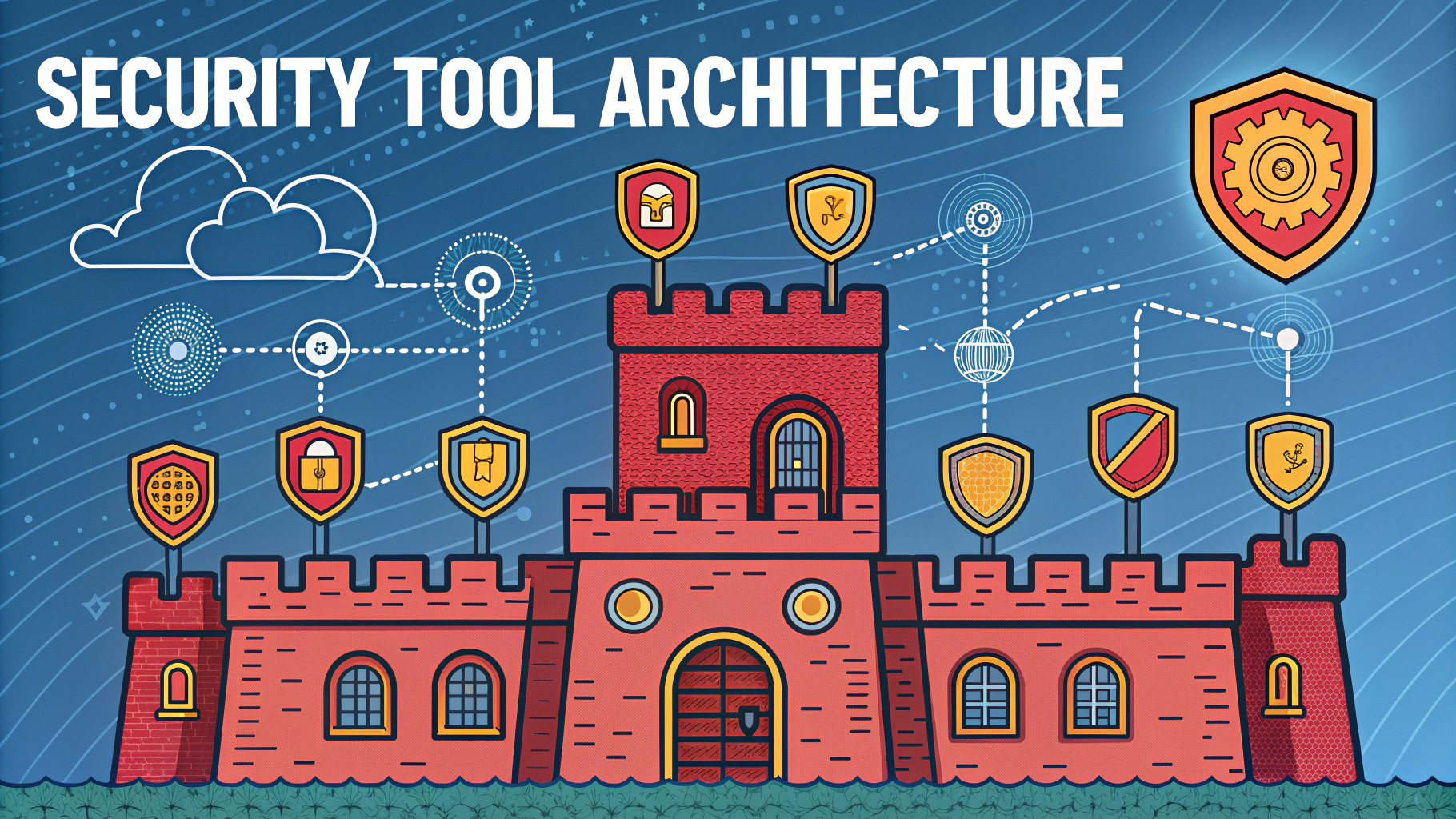
tool architecture
Security tool architecture forms the backbone of effective penetration testing, enabling security professionals to systematically probe systems for vulnerabilities. A well-structured security testing toolkit combines reconnaissance tools, vulnerability scanners, exploitation ... Read more
Build Server Security
build security
Security testing of build servers protects the foundation of software development and deployment processes from potential threats and vulnerabilities. Build servers handle sensitive data, access credentials, and control deployment pipelines, ... Read more
Secret Management

secrets management
Secret management stands as a cornerstone of cybersecurity, particularly during penetration testing operations where handling sensitive data requires meticulous care and precision. Penetration testers must safeguard various types of secrets ... Read more
Deployment Security

deployment security
Penetration testing during deployment phases helps organizations identify security vulnerabilities before applications go live. Security teams use automated and manual testing methods to simulate real-world attacks against newly deployed systems ... Read more